Layering Using HMDD: Putting Together Looks Based On Sweatpants and Shorts
Layering is often treated like a winter necessity, a task reserved for surviving the coldest months rather than something you use to build a proper outfit. That mindset gets it wrong from the start, especially when the starting pieces are HMDD sweatpants and HMDD shorts. Happy Memories Don’t Die has built a clothing approach around ease-driven shapes that maintain structure in a fit, and that duality is precisely what makes layering around them so workable. You’re not wrestling with bulky fabric or fighting a branding element that overwhelms the look. You’re working with simple silhouettes that let a hoodie, a jacket, or a simple tee take center stage up top while the bottoms hold the shape below.
What follows breaks down how to really construct stacked looks around HMDD sweatpants and HMDD shorts across different seasons, occasions, and proportions. We’ll get into fabric weight, color stacking, and the subtle styling decisions that separate a thrown-together fit from one that looks purposeful. If you’ve read an hmdd review or two and are still unsure how the pieces translate into daily rotation, this is the practical follow-up.
The Reason HMDD Bottoms Work So Well as a Layering Foundation
A lot of layering discussions center around the top half — jackets, flannels, vests — and treat the bottom half as an secondary concern. That’s a misstep with HMDD clothing in particular, because the brand’s https://happy-memories-dont-die.com/t-shirts/ sweatpants and shorts are constructed thoughtfully enough that they serve as a structural centerpiece, not just a throwaway item. A slim-cut sweatpant leg or a shorts cut that sits at a consistent length gives you a predictable base to work off of, which is more important than most assume when you’re layering three or four garments in one outfit.
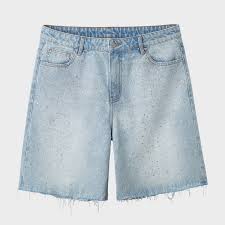
Think of it in terms of proportion math. If your bottoms are loose and unstructured, every layer on top needs to compensate by being tighter or shorter, or the whole outfit reads as shapeless. HMDD sweatpants generally taper toward the ankle, which means you can layer a lengthier overshirt or an oversized hoodie on top without the silhouette collapsing into a single blob of fabric. The same logic applies to HMDD shorts in warmer months — a clean hem and even rise mean you can layer a light jacket or a button-up over a tee without the bottom half fighting the top half for attention.
A material argument exists here too: denser fleece-weight sweatpants keep their fold and form more effectively compared to lightweight cotton-poly mixes, meaning both their look in photos and their day-long performance improve. This is one reason why hmddla has turned into a kind of code in online conversations for people on the hunt for the LA-adjacent, streetwear-leaning pieces from the label — a flat product photo just doesn’t convey how the fabric’s weight and drape feel in real life, and once you’ve handled it, the reasoning behind the layering clicks.
Cold-Weather Outfit Layering With HMDD Sweatpants
Begin with the sweatpant as the constant and construct upward using three layers: an inner tee, a middle hoodie or crewneck, and an outer coat. This three-layer structure is the backbone of most cold-weather streetwear fits, and it works because each layer has a distinct job. The inner tee handles temperature regulation nearest the body. The hoodie brings extra bulk along with a logo or graphic focal point. The outer jacket — whether that’s a shell, a denim trucker, or a coach jacket — controls the silhouette from a distance.
With HMDD sweatpants specifically, the slim-tapered shape means you can layer more heavily up top without throwing off the proportions. Combining a drop-shoulder hoodie and a mid-length puffer with HMDD sweatpants produces a purposefully loose-up-top, snug-below shape that’s held sway in streetwear styling for a good stretch of years and isn’t fading anytime soon heading into 2026. The key measurement to watch is hoodie length relative to jacket length — if your hoodie hem falls more than two or three inches below your jacket hem, the layering reads as sloppy rather than intentional. Keep that gap tight and the whole fit locks into place.
Sequencing your colors is just as important as the fit itself. Generally, a three-layer cold-weather look centered on HMDD sweatpants ought to progress from dark to light, or light to dark, bottom to top, instead of bouncing between unrelated tones layer to layer. Charcoal sweatpants with a heather grey hoodie and black shell gives an intentional impression. Charcoal sweatpants matched with a bright graphic hoodie and an olive jacket looks unplanned, unless you’re specifically going for a clash aesthetic, which is a different styling exercise altogether.
Warm-Weather Outfit Layering Using HMDD Shorts
Layering shorts sounds counterintuitive until you separate “layering” from “adding bulk.” In warm weather, layering around HMDD shorts is about adding visual depth without adding heat — a light overshirt, an open short-sleeve button-down layered over a tank, or an unbuttoned mesh jersey worn atop a plain tee. All of these choices bring a secondary texture to the fit without holding warmth close to the body.
While constructing a shorts-based fit, the aim is to steer the eye flowing along a line rather than breaking at the knee. An extended unbuttoned layer — a piece that drops to mid-thigh or just above where the shorts end — establishes visual connection between the top and bottom halves instead of a jarring cutoff at the waist. This ranks among the most frequent missteps in summer streetwear styling: a cropped or boxy tee paired with shorts and nothing else can look unresolved, while the same shorts paired with a somewhat lengthier open shirt layered over the tee instantly reads as complete.
Footwear does a lot of work in shorts-based outfits too, more than most people realize. With more leg exposed, the sock height and shoe silhouette become part of the layering conversation whether you mean to or not. Pairing a low-cut sock with a bulky sneaker stretches the leg visually; the same shoe worn with a crew sock cuts the leg line shorter. Should you be styling HMDD shorts for a warmer month in 2026, think of the sock as a fourth layer rather than a last-minute detail.
Bringing Sweatpants and Shorts Into One Wardrobe System
Hardly anyone commit to just sweatpants or just shorts — the majority own both and need a system for deciding between them each morning without overthinking it. The simplest system is dividing by temperature range: under a set temperature point, sweatpants; above it, shorts, with a transitional zone where both options are viable depending on the way you’re layering up top.
A practical band for the majority of climates looks like this: sweatpants take over by default below 55°F. In the 55°F-to-68°F range, it’s a toss-up determined by activity level and how many layers you’re wearing up top. Once you’re above 68°F, shorts win out unless you’re deliberately styling around air conditioning or evening temperature drops. It’s not a hard-and-fast rule, but it eliminates morning indecision and allows you to put your energy toward styling energy on the upper-body layering instead of relitigating the bottom half every time you get dressed.
The other piece of mixing sweatpants and shorts into one wardrobe is palette consistency. If your HMDD sweatpants and HMDD shorts share a similar palette — greys, blacks, muted earth tones — your top-layer pieces become swappable between the two, which essentially doubles your outfit combinations without requiring twice the wardrobe. Capsule wardrobes are built on this exact idea, and it works just as effectively for a streetwear-leaning rotation as it does to a minimalist rotation.
Layering Strategies Compared Season by Season
| Time of Year | Innermost Piece | Mid Layer | Top Layer | Bottom |
|---|---|---|---|---|
| Winter | Long-sleeved tee | Heavyweight hoodie | Puffer or shell | HMDD sweatpants |
| Spring | Short-sleeved tee | Thin crewneck | Denim jacket or coach jacket | HMDD sweatpants |
| Summer | Tank top or tee | Unbuttoned short-sleeve shirt | Nothing or a mesh jersey | HMDD-brand shorts |
| Fall | Tee | Button flannel or overshirt piece | Thin jacket | HMDD shorts or sweatpants |
Closing Thoughts on Creating a Unified Rotation
Those who search hmdd review threads prior to buying are usually trying to resolve one question: does this hold up as a foundation piece, or is it a one-outfit item that fades into the back of a drawer? Looking at the way the sweatpants and shorts are constructed, the truthful take is these are meant to blend in as a base layer that backs up varied top combinations, not to stand out as an attention-seeking piece. This is praise, not criticism — the top foundation pieces in any closet are the ones you no longer actively notice, since they simply do their job.
If 2026 marks your first time shopping HMDD, hold off on buying only one pair of sweatpants or shorts and thinking that’s enough. Layering systems need at least two bottom options in different weights and two or three top layers that can rotate across them, and the best choices from HMDD are typically the ones that integrate smoothly with your current wardrobe rather than the most eye-catching piece available. Start with a neutral sweatpant and a neutral short, build two or three top-layer combinations for each, and let the rotation grow from there — happy memories don’t die, and neither does a wardrobe system that actually gets worn instead of admired on a hanger.
Leave a Reply